
A grassroots, brevet-style day of gravel adventure. Four riders, one borderland loop, and the back roads in between.
This is borrowed wholesale from a format we love: a team of four rides the entire loop together — roll out together, ride together, cross the line together.
The clock runs and we'll post your team's time, but nobody is ranked and there are no prizes. The reward is the day itself: a hundred-odd miles of the far western edge of the Catskills you've probably never ridden, done wheel to wheel with three other people you trust. Two town stops along the way mean no one has to plan a rest stop — just stop, fill bottles, and roll on.
It is self-supported and grassroots: no permit, no marshals, no closed roads, no sag wagon. You and your team carry what you need and look after each other.
Year one was free and community-first: an organized, 100+ mile day, and nobody paid to ride. That's the club's whole reason for putting it on. Local rides should be equitable and open to all.
We hold the exact loop — GPX and cue sheet — until your team is accepted. Half the adventure is rolling out without knowing every turn. The shape of the day is below; the line itself comes with your spot.
Translation: bring a reliable, well-maintained gravel bike and people you trust.
Your four ride as a unit, start to finish. If one flats, you all wait. Drop a rider, drop the run.
No sag, no feed zones. Carry tools, spares, food, layers and cash. Two town stops to resupply.
Confirmed teams get the detailed route (.GPX file) ahead of time. Pre-download the route — some roads/trails aren't marked, and cell service is patchy.
Open public roads in NY and PA, mixed surface, real traffic. Obey every traffic law and ride single-file where it's tight. Helmet required and a rear light recommended; there are no marshals — you're responsible for you.
Roll out at 8 AM; plan to finish by 7 PM — an 11-hour window for an 8–10 hour day. Past the cutoff there's no sweep, so keep moving or bail at a town and tell us.
We ride rain or shine, with Sunday, August 2 as the rain date. A genuinely dangerous forecast is the only thing that moves it.
Once your team's accepted, every rider gets an emailed link to sign an assumption-of-risk waiver electronically. All four signatures before the day, or you don't start.
Bail-out points sit near the two town stops. If you pull the plug, text the number we give you so nobody's left out on the course after dark.
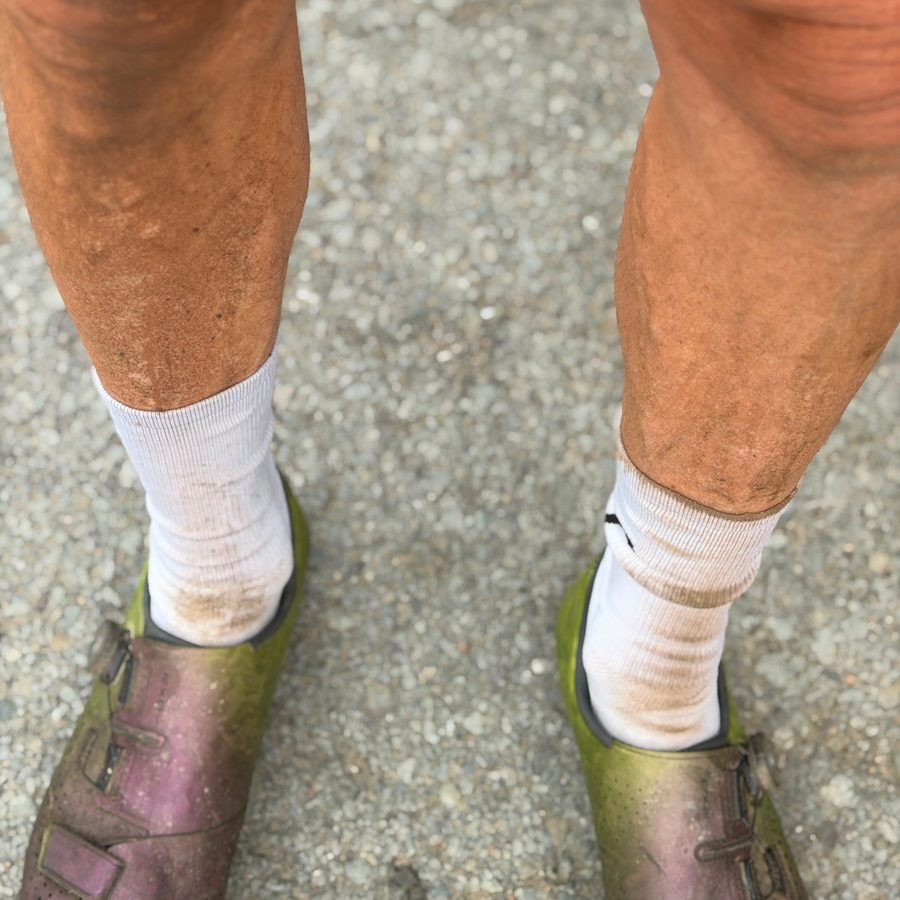
No feed zones, no sag wagon, no bike shop for miles. Two town stops — their spots shared with confirmed teams — let you refill, but the longest stretch without services runs long, so carry enough fuel and water and/or be creative. Everything else rides with you; the captain makes sure all four are set before the start.
In year one we track teams by phone, not hardware. Each team picks the rider whose phone lasts longest, installs a free tracking app, and follows the checklist below. The live map backfills whenever you hit coverage in the two towns — so a stalled dot means no signal, not trouble.
Two light controls keep it honest, brevet-style: a team photo at a few set points, and a quick satellite text from the tracker's phone at the towns — a check-in without the paper card.
Everyone records their own ride too (Strava or a head unit) — that's the timing backup if a phone dies, and it feeds the club's photos and stories.
115+ miles and 10,000+ feet across the far western edge of the Catskills — two states, two rivers, self-supported. Four riders to a team, finishing together or not at all. Most teams are looking at 8–10 hours, and the cutoff is 7 PM.
Nothing to do here today. If you're following along, photos from the course go up on the club's channels through the day — tag anything you post #CatskillsBorderlands.
Out on the loop and need us? Text the number on your rider sheet. Everyone else: membership@catskillscycling.club.
Teams of four covered 115+ miles and 10,000+ feet of the far western edge of the Catskills — two states, two rivers, self-supported, nobody ranked. Thank you to everyone who put a team together, and to the people who scouted and drove the route so the rest of us could just ride it.
Times, photos and the story of the day go out to the club by email and land on the club's channels. Tag yours #CatskillsBorderlands.


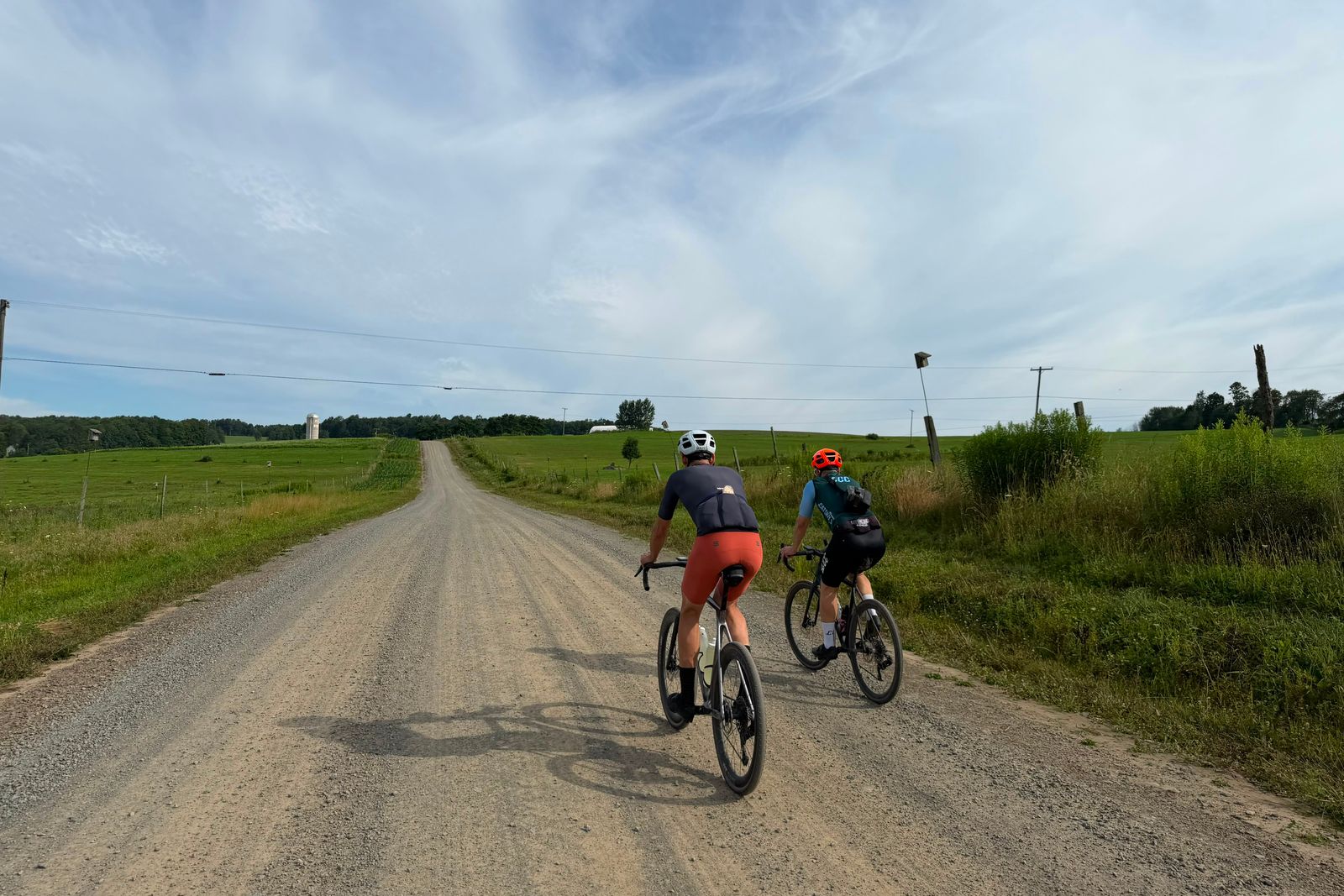
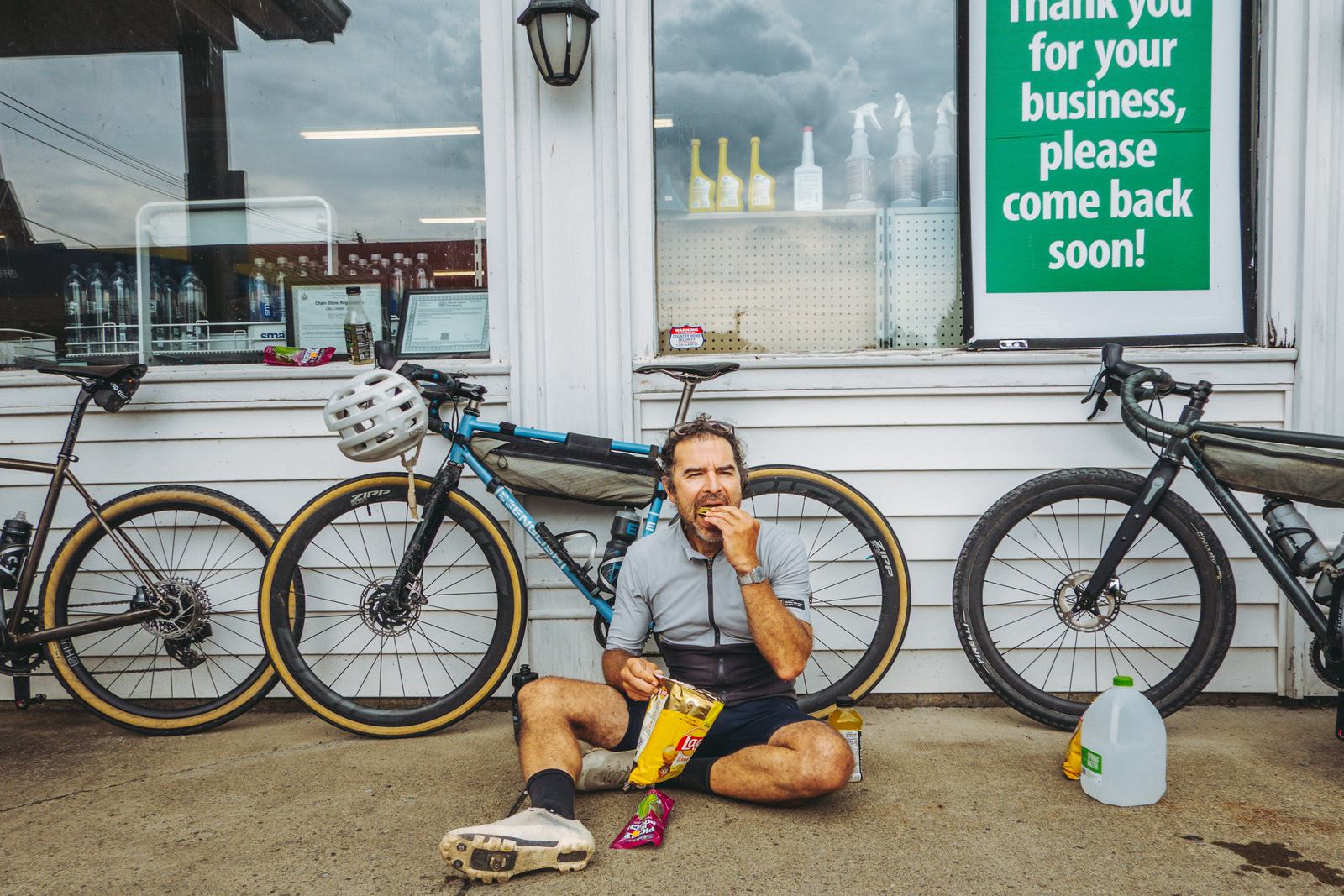
Photos by @donalrey and @the_catskill_weekender
The date goes to this list first. Leave your name and email and you'll get it before it's announced publicly — and again when registration opens. One or two emails, nothing else.
You don't need a team yet. The ride itself is teams of four, but the list is open to anyone — sign up on your own and sort your four out later.
You're on the list. We'll email you when registration for the next Borderlands opens. Find your other three between now and then.
Prefer email? membership@catskillscycling.club.
Nothing. The first one was free, and no money changed hands to ride. We'll share what the next one costs, and why, when we announce the date.
No — it's four to a team, full stop. The format is built around a complete team of four riding the whole loop together, so we're not running teams of three this year. Find your fourth before you submit.
Then you don't finish, and that's a perfectly good story too. Bail-out points exist along the loop near the town stops. Tell us you're out so we're not waiting on you.
With roughly 50–70% gravel or dirt, most riders will be happiest on gravel tires or a sturdy all-road setup. Bring tires you trust and a spare tube or two.
It's open to the community — we promote it through the club's Strava and Instagram. There's a light bar for safety: teams of four, each rider comfortable with a 115+ mile, 10,000+ foot day, which we check from recent Strava. In 2026 the field was capped at 12–15 teams, confirmed in the order teams registered. It's about capability and finishing safely, not exclusivity.
Not today — the teams are already out on the loop. Email membership@catskillscycling.club and we'll make sure you hear when the next edition opens.
Email membership@catskillscycling.club and we'll tell you when registration for the next edition opens, before it goes out publicly. The format holds: teams of four, self-supported, confirmed in the order teams register.
Yes — once your team's accepted, each rider gets an emailed link to sign an assumption-of-risk waiver electronically. It's required before the start: no signature, no roll-out.
There are a few cheap motels near the start, and confirmed teams get the details. With an 8 AM roll-out, most teams either drive out early or come up the night before and make a weekend of it.
No to both. TT bikes are the wrong tool for loose gravel and steep, technical terrain — it's a safety call. And e-bikes are out for year one too. This is a hard day on hard, beautiful ground, and the point is everyone meeting it the same way, under their own power — that's what makes crossing the line together mean something. Bring a gravel bike you trust.